

Современная хореография - все книги по дисциплине. Издательство Лань
Сохранить список:
Excel
Excel
Закрыть
Выгрузка списка книг доступна только авторизованным пользователям. Авторизоваться
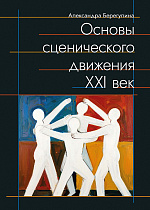
Книга «Основы сценического движения. XXI век» написана педагогом сценического движения и фехтования А. Е. Берегулиной и содержит психофизические основы предмета, необходимые для понимания и освоения студентами — начинающими актерами и режиссерами. Автор является представителем ленинградской школы, которая отличается четкой структурированной методикой обучения. За время педагогической работы автора в петербургских вузах классическая программа была обогащена новыми разделами и уточненными рекомендациями для ее успешного освоения.
Книга представляет собой фундаментальное руководство по искусству двигательной выразительности актера, адаптированное к современным реалиям театра и кино. Будет интересна студентам театральных вузов, театральным педагогам, а также всем, кто интересуется психологией творческих процессов.
The book “Fundamentals of Stage Movement. The 21st century” was written by A.E. Beregulina, the stage movement and fencing teacher, and contains the psychophysical foundations of the subject, essential for understanding and mastering by students, beginning actors and directors. The author is a representative of the Leningrad school, which is distinguished by its clearly structured teaching methods. During the author’s teaching career at St. Petersburg higher schools, the classical curriculum was enriched with new sections and more precise recommendations for its successful mastery.
This book is a fundamental guide to the art of expressive stage movement, adapted to the contemporary realities of theatre and film. It will be of interest to theatre students, theatre teachers, and anyone interested in the psychology of the creative process.
Книга представляет собой фундаментальное руководство по искусству двигательной выразительности актера, адаптированное к современным реалиям театра и кино. Будет интересна студентам театральных вузов, театральным педагогам, а также всем, кто интересуется психологией творческих процессов.
The book “Fundamentals of Stage Movement. The 21st century” was written by A.E. Beregulina, the stage movement and fencing teacher, and contains the psychophysical foundations of the subject, essential for understanding and mastering by students, beginning actors and directors. The author is a representative of the Leningrad school, which is distinguished by its clearly structured teaching methods. During the author’s teaching career at St. Petersburg higher schools, the classical curriculum was enriched with new sections and more precise recommendations for its successful mastery.
This book is a fundamental guide to the art of expressive stage movement, adapted to the contemporary realities of theatre and film. It will be of interest to theatre students, theatre teachers, and anyone interested in the psychology of the creative process.
В данной книге впервые рассматриваются историко-культурные предпосылки формирования компонентов степ-танца в традиционных культурах народов мира, в частности, прослеживается генезис степ-танца в истории танцевальной куль-туры народов Европы и определяются его оригинальные особенности в танцева-льных традициях народов Африки.
Ключевым аспектом работы является анализ художественных особенностей степ-танца, в рамках которого исследуется музыкально-ритмическая составляю-щая пластического языка и предпринимаются попытки выявления его семанти-ческой природы, истолковывающей сакральные смыслы и идеи, связанные с куль-турной идентичностью изучаемых народов. Дополняет картину изучение метаморфоз степ-танца в современной художественной культуре и определение перспектив его развития в будущем.
Соответствует современным требованиям Федерального государственного обра-зовательного стандарта среднего профессионального образования и профессиона-льным квалификационным требованиям. Может использоваться в качестве учебного пособия в средних специальных учебных заведениях.
The author examines for the first time the historical and cultural preconditions for the formation of tap dance elements in the traditional cultures of the peoples of the world; in particular, he traces the genesis of tap dance in the history of the dance culture of the peoples of Europe and identifies its original features in the dance tra-ditions of the peoples of Africa.
A key aspect of this work is an analysis of the artistic characteristics of the tap dance, including the study of musical and rhythmic components of its choreographic language and attempts to identify its semantic nature, interpreting sacred meanings and ideas associated with the cultural identity of the peoples in focus. The picture is completed by studying the metamorphosis of the tap dance in contemporary artistic culture and determining the prospects for its future development.
Corresponds to the modern requirements of the Federal State Educational Standard of Secondary Vocational Education and professional qualification requirements. The book can be used at colleges.
Ключевым аспектом работы является анализ художественных особенностей степ-танца, в рамках которого исследуется музыкально-ритмическая составляю-щая пластического языка и предпринимаются попытки выявления его семанти-ческой природы, истолковывающей сакральные смыслы и идеи, связанные с куль-турной идентичностью изучаемых народов. Дополняет картину изучение метаморфоз степ-танца в современной художественной культуре и определение перспектив его развития в будущем.
Соответствует современным требованиям Федерального государственного обра-зовательного стандарта среднего профессионального образования и профессиона-льным квалификационным требованиям. Может использоваться в качестве учебного пособия в средних специальных учебных заведениях.
The author examines for the first time the historical and cultural preconditions for the formation of tap dance elements in the traditional cultures of the peoples of the world; in particular, he traces the genesis of tap dance in the history of the dance culture of the peoples of Europe and identifies its original features in the dance tra-ditions of the peoples of Africa.
A key aspect of this work is an analysis of the artistic characteristics of the tap dance, including the study of musical and rhythmic components of its choreographic language and attempts to identify its semantic nature, interpreting sacred meanings and ideas associated with the cultural identity of the peoples in focus. The picture is completed by studying the metamorphosis of the tap dance in contemporary artistic culture and determining the prospects for its future development.
Corresponds to the modern requirements of the Federal State Educational Standard of Secondary Vocational Education and professional qualification requirements. The book can be used at colleges.
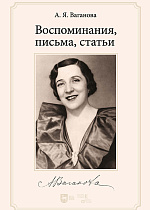
Книга знакомит читателя с многогранным наследием А. Я. Вагановой — выдающейся балерины, педагога и теоретика танца. В издание вошли отрывки из её воспоминаний, статьи о балете, педагогические заметки и фрагменты из писем. Эти материалы не только раскрывают творческую биографию Вагановой, но и дают представление о ее взглядах на искусство и методику преподавания классического танца. Живые наблюдения, размышления о роли балета и личные записи позволяют почувствовать атмосферу времени, понять истоки знаменитой «школы Вагановой» и ее значение для развития мирового хореографического искусства.
Книга адресована студентам творческих специальностей, историкам балета, а также всем любителям танца, стремящимся глубже понять традиции и эстетику классической хореографии.
This book introduces the reader to the rich heritage of A. Y. Vaganova, an outstanding ballet dancer, teacher, and dance scholar. The edition includes excerpts from her recollections, articles on ballet, teacher’s notes, and fragments from letters. These materials not only show the Vaganova’s career but also give a chance to know her views on art and the classical dance teaching methods. Vivid observations, reflections on the role of ballet, and personal notes allow a reader to feel the atmosphere of that time and understand the origins of the famous “Vaganova School” and its significance for the development of world choreographic art.
This book is intended for arts students, ballet historians, and any dance lovers looking for a deeper understanding of the traditions and aesthetics of classical choreography.
Книга адресована студентам творческих специальностей, историкам балета, а также всем любителям танца, стремящимся глубже понять традиции и эстетику классической хореографии.
This book introduces the reader to the rich heritage of A. Y. Vaganova, an outstanding ballet dancer, teacher, and dance scholar. The edition includes excerpts from her recollections, articles on ballet, teacher’s notes, and fragments from letters. These materials not only show the Vaganova’s career but also give a chance to know her views on art and the classical dance teaching methods. Vivid observations, reflections on the role of ballet, and personal notes allow a reader to feel the atmosphere of that time and understand the origins of the famous “Vaganova School” and its significance for the development of world choreographic art.
This book is intended for arts students, ballet historians, and any dance lovers looking for a deeper understanding of the traditions and aesthetics of classical choreography.
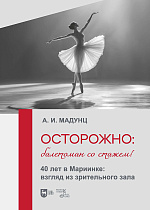
Название не зря призывает к осторожности. Если вам в принципе не интересен балет – осторожно, в книге говорится именно о нем! Если интересен, тем более осторожно: вдруг, прочитав, настолько увлечетесь, что, подобно автору, не сможете жить без этого волшебного искусства?
Артисты Мариинского театра, чьи творческие портреты вам предлагаются, танцуют на его сцене прямо сейчас. Вы их уже видели? Тогда давайте сравним впечатления. Не видели? Вам не обязательно разбираться в тонкостях хореографии, просто прочтите, а потом приходите в театр и смотрите – тем более, здесь есть разбор основных балетов и лучших ролей.
Когда-то в книге «Осторожно! Злой препод!» Александра Мадунц описывала балет как опору, помогающую в самой сложной ситуации не просто выжить, а быть счастливым. Годы идут, однако это по-прежнему так. Да, искусство не спасает, но ничего лучше еще не выдумали…
The title urges caution for good reason. If you’re not interested in ballet at all, beware, for this book is about it! If you are, be even more careful: you may become so captivated after reading this book, that you won’t be able to live without this magical art, just like the author.
The author presents the essays about persons being the Mariinsky Theatre dancers at the moment. Have you seen them already? Then let’s compare impressions. Or you haven’t seen them yet? You don't have to understand all the complicated things of choreography; just read on, and then come to the theatre and see, especially since the book includes analysis of the main ballets and the best roles.
In her book “Caution: A Wicked Teacher!” Alexandra Madunts used to describe ballet as a support that helps one not just survive, but be happy, even in the most difficult situations. Years pass, but this remains the same. Art doesn’t save, it’s true, but nothing better has yet been invented…
Артисты Мариинского театра, чьи творческие портреты вам предлагаются, танцуют на его сцене прямо сейчас. Вы их уже видели? Тогда давайте сравним впечатления. Не видели? Вам не обязательно разбираться в тонкостях хореографии, просто прочтите, а потом приходите в театр и смотрите – тем более, здесь есть разбор основных балетов и лучших ролей.
Когда-то в книге «Осторожно! Злой препод!» Александра Мадунц описывала балет как опору, помогающую в самой сложной ситуации не просто выжить, а быть счастливым. Годы идут, однако это по-прежнему так. Да, искусство не спасает, но ничего лучше еще не выдумали…
The title urges caution for good reason. If you’re not interested in ballet at all, beware, for this book is about it! If you are, be even more careful: you may become so captivated after reading this book, that you won’t be able to live without this magical art, just like the author.
The author presents the essays about persons being the Mariinsky Theatre dancers at the moment. Have you seen them already? Then let’s compare impressions. Or you haven’t seen them yet? You don't have to understand all the complicated things of choreography; just read on, and then come to the theatre and see, especially since the book includes analysis of the main ballets and the best roles.
In her book “Caution: A Wicked Teacher!” Alexandra Madunts used to describe ballet as a support that helps one not just survive, but be happy, even in the most difficult situations. Years pass, but this remains the same. Art doesn’t save, it’s true, but nothing better has yet been invented…
«Музыкальное сопровождение уроков классического танца» – серия авторских нотных сборников композитора, члена Союза композиторов Российской Федерации Наталии Осиповой. Данное издание представляет собой уникальные музыкальные произведения, написанные для экзерсиса на середине.
Пособия предназначены для концертмейстеров хореографических отделений школ искусств, балетных школ, училищ, преподавателей хореографии и студентов.
“Musical accompaniment for classical dance lessons” is a series of original music collections by Natalia Osipova, composer, member of the Union of Composers of the Russian Federation. This edition represents original music pieces intended for a centre exercice.
The textbooks are intended for accompanists of choreography departments of schools of arts, ballet schools, colleges, choreography teachers and students.
Пособия предназначены для концертмейстеров хореографических отделений школ искусств, балетных школ, училищ, преподавателей хореографии и студентов.
“Musical accompaniment for classical dance lessons” is a series of original music collections by Natalia Osipova, composer, member of the Union of Composers of the Russian Federation. This edition represents original music pieces intended for a centre exercice.
The textbooks are intended for accompanists of choreography departments of schools of arts, ballet schools, colleges, choreography teachers and students.
«Музыкальное сопровождение уроков классического танца» – серия авторских нотных сборников композитора, члена Союза композиторов Российской Федерации Наталии Осиповой. Данное издание представляет собой уникальные музыкальные произведения, посвященные таким упражнениям, как прыжки и пальцы.
Пособия предназначены для концертмейстеров хореографических отделений школ искусств, балетных школ, училищ, преподавателей хореографии и студентов.
“Musical accompaniment for classical dance lessons” is a series of original music collections by Natalia Osipova, composer, member of the Union of Composers of the Russian Federation. This edition represents original music pieces intended for such exercises as allegro and les pointes.
The textbooks are intended for accompanists of choreography departments of schools of arts, ballet schools, colleges, choreography teachers and students.
Пособия предназначены для концертмейстеров хореографических отделений школ искусств, балетных школ, училищ, преподавателей хореографии и студентов.
“Musical accompaniment for classical dance lessons” is a series of original music collections by Natalia Osipova, composer, member of the Union of Composers of the Russian Federation. This edition represents original music pieces intended for such exercises as allegro and les pointes.
The textbooks are intended for accompanists of choreography departments of schools of arts, ballet schools, colleges, choreography teachers and students.
«Музыкальное сопровождение уроков классического танца» – серия авторских нотных сборников композитора, члена Союза композиторов Российской Федерации Наталии Осиповой. Данное издание представляет собой уникальные музыкальные произведения, написанные для экзерсиса у станка.
Пособия предназначены для концертмейстеров хореографических отделений школ искусств, балетных школ, училищ, преподавателей хореографии и студентов.
“Musical accompaniment for classical dance lessons” is a series of original music collections by Natalia Osipova, composer, member of the Union of Composers of the Russian Federation. This edition represents original music pieces intended for exercice at the barre.
The textbooks are intended for accompanists of choreography departments of schools of arts, ballet schools, colleges, choreography teachers and students.
Пособия предназначены для концертмейстеров хореографических отделений школ искусств, балетных школ, училищ, преподавателей хореографии и студентов.
“Musical accompaniment for classical dance lessons” is a series of original music collections by Natalia Osipova, composer, member of the Union of Composers of the Russian Federation. This edition represents original music pieces intended for exercice at the barre.
The textbooks are intended for accompanists of choreography departments of schools of arts, ballet schools, colleges, choreography teachers and students.
Автор пособия исходит из сложившейся социокультурной ситуации XX–XXI веков, главной особенностью которого является утрата подлинного народного танца в повседневной культуре общества и одновременно наблюдаемый процесс обращения предста-вителей современной хореографической культуры к фольклорным истокам, корням. В работе определены демаркационные линии, специфические черты, а также исторические трансформации народного танца, разрабатывается концепция включения элементов народного танца в профессиональную хореографическую культуру в период с XVII–XXI веков, вводится новое понятие — танец постфолк.
Соответствует современным требованиям Федерального государственного образова-тельного стандарта среднего профессионального образования и профессиональным квалификационным требованиям. Пособие адресовано студентам средних специальных учебных заведений.
The author of the monograph proceeds from the current sociocultural situation of the 20th–21st centuries, the main feature of which is the loss of authentic folk dance in the society everyday culture and at the same time the process of the modern choreographic culture representatives turning to folklore sources and roots. The author defines demarcation lines, specific features, as well as historical transformations of folk dance, develops the concept of the incorporating of folk dance elements into professional choreographic culture during the period from the 17th to 21st centuries, and introduces a new “post-folk dance” concept.
Corresponds to the modern requirements of the Federal State Educational Standard of Secondary Vocational Education and professional qualification requirements. The textbook is addressed to students of colleges.
Соответствует современным требованиям Федерального государственного образова-тельного стандарта среднего профессионального образования и профессиональным квалификационным требованиям. Пособие адресовано студентам средних специальных учебных заведений.
The author of the monograph proceeds from the current sociocultural situation of the 20th–21st centuries, the main feature of which is the loss of authentic folk dance in the society everyday culture and at the same time the process of the modern choreographic culture representatives turning to folklore sources and roots. The author defines demarcation lines, specific features, as well as historical transformations of folk dance, develops the concept of the incorporating of folk dance elements into professional choreographic culture during the period from the 17th to 21st centuries, and introduces a new “post-folk dance” concept.
Corresponds to the modern requirements of the Federal State Educational Standard of Secondary Vocational Education and professional qualification requirements. The textbook is addressed to students of colleges.
Настоящий труд посвящен современному танцу — явлению, для обозначения которого в русском языке нет специального термина, и которое обычно требует уточнения, например, английским «contemporary dance». Данное исследование, в свое время, стало попыткой найти и теоретически обосновать подход к рассмотрению явлений современного танца с позиций философского дискурса телесности, сложившегося в XX в. Этот подход позволял понимать современный танец как «симптом» происшедшего в не- и постнеклассической культуре «поворота к телу»; как способ особого, невербального, пластического, телесного осмысления/освоения ситуации человека в современном мире. Соответствует современным требованиям Федерального государственного образовательного стандарта среднего профессионального образования и профессиональным квалификационным требованиям.
Учебное пособие адресовано педагогам и студентам средних специальных учебных заведений.
This work is devoted to modern dance – a phenomenon for which there is no special term in Russian, and which usually requires clarification, for example, contemporary dance in English. This study, at one time, was an attempt to find and theoretically substantiate an approach to considering the phenomena of contemporary dance from the perspective of the philosophical discourse of physicality that developed in the 20th century. This approach made it possible to understand contemporary dance as a “symptom” of the “turn to the body” that occurred in non- and post-non-classical culture; as a way of special, non-verbal, plastic, bodily comprehension / development of a person’s situation in the modern world. Corresponds to the modern requirements of the Federal State Educational Standard of Secondary Vocational Education and professional qualification requirements.
The textbook is addressed to teachers and students of colleges.
Учебное пособие адресовано педагогам и студентам средних специальных учебных заведений.
This work is devoted to modern dance – a phenomenon for which there is no special term in Russian, and which usually requires clarification, for example, contemporary dance in English. This study, at one time, was an attempt to find and theoretically substantiate an approach to considering the phenomena of contemporary dance from the perspective of the philosophical discourse of physicality that developed in the 20th century. This approach made it possible to understand contemporary dance as a “symptom” of the “turn to the body” that occurred in non- and post-non-classical culture; as a way of special, non-verbal, plastic, bodily comprehension / development of a person’s situation in the modern world. Corresponds to the modern requirements of the Federal State Educational Standard of Secondary Vocational Education and professional qualification requirements.
The textbook is addressed to teachers and students of colleges.
Народно-сценический танец является одним из профилирующих предметов хореографического образования. Он основан на эстетике классического танца, требует определенной логики соединения народных движений и сценической манеры. В данной работе представлен экзерсис третьего года обучения. Данное пособие предназначено для студентов и преподавателей хореографических колледжей, для руководителей хореографических коллективов.
A folk stage dance is one of the main subjects of choreographic education. It is based on the aesthetics of classical dance, requires a certain logic of combining the folk dance movements and the stage style. This work presents the exercice of a third year of studying.
This textbook is intended for students and teachers of choreographic colleges, for leaders of dance groups.
A folk stage dance is one of the main subjects of choreographic education. It is based on the aesthetics of classical dance, requires a certain logic of combining the folk dance movements and the stage style. This work presents the exercice of a third year of studying.
This textbook is intended for students and teachers of choreographic colleges, for leaders of dance groups.
Закрыть
Сообщить о поступлении
Укажите ваш e-mail, и мы пришлем уведомление, как только книга
станет доступна для покупки.