

Фортепианное исполнительство, аккомпанемент и чтение с листа, инструментоведение - все книги по дисциплине. Издательство Лань
Сохранить список:
Excel
Excel
Закрыть
Выгрузка списка книг доступна только авторизованным пользователям. Авторизоваться
Учебно-методическое пособие освещает теоретические вопросы фортепианных миниатюр С. В. Рахманинова. Даны основные положения методики, далее они рассматриваются на конкретных примерах: Итальянская полька ор. 21, Элегия ор. 3, Полишинель ор. 3, Прелюдия ор. 3. Соответствует современным требованиям Федерального государственного образовательного стандарта среднего профессионального образования и профессиональным квалификационным требованиям.
Работа будет полезна педагогам и студентам средних специальных учебных заведений.
This methodical textbook covers the theoretical aspects of piano miniatures by S. V. Rachmaninoff. The authors present basic principles of the method and then examine them using specific examples like Italian Polka Op. 21, Elegy Op. 3, Polichinelle Op. 3, Prelude Op. 3.
Corresponds to the modern requirements of the Federal State Educational Standard of Secondary Vocational Education and professional qualification requirements.
This work will be useful for teachers and students of colleges.
Работа будет полезна педагогам и студентам средних специальных учебных заведений.
This methodical textbook covers the theoretical aspects of piano miniatures by S. V. Rachmaninoff. The authors present basic principles of the method and then examine them using specific examples like Italian Polka Op. 21, Elegy Op. 3, Polichinelle Op. 3, Prelude Op. 3.
Corresponds to the modern requirements of the Federal State Educational Standard of Secondary Vocational Education and professional qualification requirements.
This work will be useful for teachers and students of colleges.
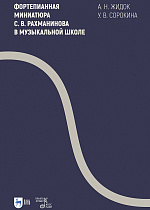
Учебно-методическое пособие освещает теоретические вопросы фортепианных миниатюр С. В. Рахманинова. Даны основные положения методики, далее они рассматриваются на конкретных примерах: Итальянская полька ор. 21, Элегия ор. 3, Полишинель ор. 3, Прелюдия ор. 3.
Работа будет полезна педагогам по классу фортепиано в ДМШ (ДШИ), а также может быть использована в педагогических курсах средних специальных и высших учебных заведений.
This methodical textbook covers the theoretical aspects of piano miniatures by S. V. Rachmaninoff. The authors present basic principles of the method and then examine them using specific examples like Italian Polka Op. 21, Elegy Op. 3, Poli-chinelle Op. 3, Prelude Op. 3.
This work will be useful for piano teachers at children’s music schools (children’s schools of arts), and can also be used in pedagogical courses at colleges and higher schools.
Работа будет полезна педагогам по классу фортепиано в ДМШ (ДШИ), а также может быть использована в педагогических курсах средних специальных и высших учебных заведений.
This methodical textbook covers the theoretical aspects of piano miniatures by S. V. Rachmaninoff. The authors present basic principles of the method and then examine them using specific examples like Italian Polka Op. 21, Elegy Op. 3, Poli-chinelle Op. 3, Prelude Op. 3.
This work will be useful for piano teachers at children’s music schools (children’s schools of arts), and can also be used in pedagogical courses at colleges and higher schools.
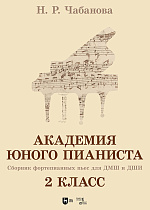
Серия учебных пособий «Академия юного пианиста» представляет собой сборники пьес, рассчитанные на каждый год обучения по специальности фортепиано в рамках восьмилетней программы.
Настоящий сборник адресован учащимся второго класса детских музыкальных школ и детских школ искусств. В него вошли 20 разнохарактерных пьес, отличающиеся друг от друга степенью сложности и видами техники. В каждом произведении перед юным пианистом композитор ставит определённую исполнительскую задачу. Все представленные пьесы имеют программные названия, которые помогают детям лучше понять художественные образы и передать характер музыкального произведения. Издание проиллюстрировано работами учащихся московской Детской школы искусств имени М. И. Глинки, отделения «Живопись» и учениками Творческой мастерской Алексея Гилярова «Дом художника».
The “Academy of a Young Pianist” series of textbooks represents the pieces’ collections for each year of study at the piano class following the eight-year curriculum.
The current collection is addressed to second-year pupils of children’s music schools and children’s schools of arts. It includes 20 pieces, diverse in their degree of complexity and types of technique. Each piece is intended by the composer for a young pianist to master certain performing skills. All the included pieces have program titles, helping children to better understand the artistic images and express the character of a music piece. The edition is illustrated with works made by students of the Moscow M. I. Glinka Children’s School of Arts, Department of Painting, and students of Alexey Gilyarov’s Creative Workshop “The Artist’s House”.
Настоящий сборник адресован учащимся второго класса детских музыкальных школ и детских школ искусств. В него вошли 20 разнохарактерных пьес, отличающиеся друг от друга степенью сложности и видами техники. В каждом произведении перед юным пианистом композитор ставит определённую исполнительскую задачу. Все представленные пьесы имеют программные названия, которые помогают детям лучше понять художественные образы и передать характер музыкального произведения. Издание проиллюстрировано работами учащихся московской Детской школы искусств имени М. И. Глинки, отделения «Живопись» и учениками Творческой мастерской Алексея Гилярова «Дом художника».
The “Academy of a Young Pianist” series of textbooks represents the pieces’ collections for each year of study at the piano class following the eight-year curriculum.
The current collection is addressed to second-year pupils of children’s music schools and children’s schools of arts. It includes 20 pieces, diverse in their degree of complexity and types of technique. Each piece is intended by the composer for a young pianist to master certain performing skills. All the included pieces have program titles, helping children to better understand the artistic images and express the character of a music piece. The edition is illustrated with works made by students of the Moscow M. I. Glinka Children’s School of Arts, Department of Painting, and students of Alexey Gilyarov’s Creative Workshop “The Artist’s House”.
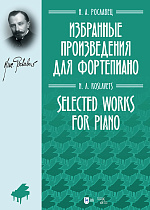
Николай Андреевич Рославец (1881–1944) — композитор русского музыкального авангарда, новатор в области звуковысотной организации и создатель системы «синтетических аккордов». Его фортепианный стиль отличается экспрессивной выразительностью, перекликающейся с поздним Скрябиным и ранними европейскими сериалистами. Несмотря на долгое забвение его творчества, музыка Рославца сегодня признана важной частью культурного наследия, свидетельствующей о поиске новых путей в искусстве первой половины XX века. В сборник вошли его сочинения малых форм (прелюдии, поэмы и композиции), созданные в 1910–1920-х годах.
Nikolai Andreevich Roslavets (1881–1944) was the Russian musical avant-garde composer, an innovator in the sphere of a pitch organization and the creator of the “synthetic chords” system. His piano style is marked by the expressiveness, close to the late works of Scriabin and early European serialists. Despite the long oblivion, the music by Roslavets is today recognized as an important part of a cultural heritage, speaking of searches for new ways in the art of the first half of the 20th century. The collection includes his small works (preludes, poems, and compositions) written in the 1910s and 1920s.
Nikolai Andreevich Roslavets (1881–1944) was the Russian musical avant-garde composer, an innovator in the sphere of a pitch organization and the creator of the “synthetic chords” system. His piano style is marked by the expressiveness, close to the late works of Scriabin and early European serialists. Despite the long oblivion, the music by Roslavets is today recognized as an important part of a cultural heritage, speaking of searches for new ways in the art of the first half of the 20th century. The collection includes his small works (preludes, poems, and compositions) written in the 1910s and 1920s.
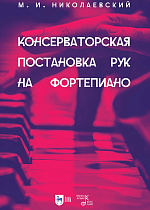
Вниманию читателей предлагается работа отечественного композитора и педагога М. И. Николаевского (1882–1942), главная задача которой --- выяснить основные принципы правильной, так называемой консерваторской постановки рук на фортепиано, указать соответствующие прирожденным свойствам человеческого организма приемы игры, основанные на разумном и целесообразном использовании природных данных. Многочисленные рисунки и фотографии иллюстрируют положение различных частей корпуса (рук, пальцев, кисти и т.п.) во время игры. Подробно разбираются отдельные приемы извлечения звука.
Книга будет полезна для профессиональных музыкантов, студентов и преподавателей музыкальных учебных заведений.
Here’s to readers’ attention is the work by M. I. Nikolaevsky (1882–1942), the Russian composer and educator. Its chief goal is to make clear the basic principles of the correct, so-called conservatory hands posture on the piano, to indicate playing techniques corresponding to the innate properties of the human body, based on the reasonable and appropriate use of natural abilities. Numerous drawings and photos illustrate the position of various parts of the body (arms, fingers, hands, etc.) during the play. The author studies in detail the separate techniques for producing the sound.
The book will be useful for professional musicians, students and teachers of music schools.
Книга будет полезна для профессиональных музыкантов, студентов и преподавателей музыкальных учебных заведений.
Here’s to readers’ attention is the work by M. I. Nikolaevsky (1882–1942), the Russian composer and educator. Its chief goal is to make clear the basic principles of the correct, so-called conservatory hands posture on the piano, to indicate playing techniques corresponding to the innate properties of the human body, based on the reasonable and appropriate use of natural abilities. Numerous drawings and photos illustrate the position of various parts of the body (arms, fingers, hands, etc.) during the play. The author studies in detail the separate techniques for producing the sound.
The book will be useful for professional musicians, students and teachers of music schools.
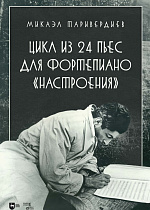
Микаэл Таривердиев (1931–1996) — композитор, народный артист России, автор опер, балетов, вокальных и инструментальных произведений, музыки к 132 фильмам.
Фортепианный цикл состоит из 24 миниатюр, наполненных тонкими, лирическими интонациями, особыми характерами и настроениями.
Предназначено для учащихся музыкальных школ, студентов, профессиональных музыкантов и любителей.
Mikael Tariverdiev (1931–1996) was a composer, People’s Artist of Russia, author of operas, ballets, vocal and instrumental works, music to 132 films.
The piano cycle consists of 24 miniatures full of subtle lyrical intonations, special characters and moods.
It is intended for pupils of music schools, students, professional musicians and amateurs.
Фортепианный цикл состоит из 24 миниатюр, наполненных тонкими, лирическими интонациями, особыми характерами и настроениями.
Предназначено для учащихся музыкальных школ, студентов, профессиональных музыкантов и любителей.
Mikael Tariverdiev (1931–1996) was a composer, People’s Artist of Russia, author of operas, ballets, vocal and instrumental works, music to 132 films.
The piano cycle consists of 24 miniatures full of subtle lyrical intonations, special characters and moods.
It is intended for pupils of music schools, students, professional musicians and amateurs.

Микаэл Таривердиев (1931–1996) — композитор, народный артист России, автор опер, балетов, вокальных и инструментальных произведений, музыки к 132 фильмам.
В сборнике представлены фортепианные переложения пьес из таких кинокартин и телефильмов, как «До свидания, мальчики», «Семнадцать мгновений весны», «Ирония судьбы, или С лёгким паром!», «Русский регтайм», «До завтра», «Мой младший брат», «Маленький школьный оркестр», «Ольга Сергеевна».
Ноты предназначены широкому кругу музыкантов и любителей инструментального исполнительства, для учащихся всех возрастов и уровней подготовки.
Mikael Tariverdiev (1931–1996) was a composer, People’s Artist of Russia, author of operas, ballets, vocal and instrumental works, music to 132 films.
The collection presents piano transcriptions of pieces from such films as Goodbye! Boys, Seventeen Moments of Spring, The Irony of Fate, or Enjoy Your Bath!, Russian Ragtime, Until Tomorrow…, My Junior Brother, Little School Orchestra, Olga Sergeevna.
The sheet music collection is intended for a wide circle of musicians and instrumental music-making lovers, for students of any age and level.
В сборнике представлены фортепианные переложения пьес из таких кинокартин и телефильмов, как «До свидания, мальчики», «Семнадцать мгновений весны», «Ирония судьбы, или С лёгким паром!», «Русский регтайм», «До завтра», «Мой младший брат», «Маленький школьный оркестр», «Ольга Сергеевна».
Ноты предназначены широкому кругу музыкантов и любителей инструментального исполнительства, для учащихся всех возрастов и уровней подготовки.
Mikael Tariverdiev (1931–1996) was a composer, People’s Artist of Russia, author of operas, ballets, vocal and instrumental works, music to 132 films.
The collection presents piano transcriptions of pieces from such films as Goodbye! Boys, Seventeen Moments of Spring, The Irony of Fate, or Enjoy Your Bath!, Russian Ragtime, Until Tomorrow…, My Junior Brother, Little School Orchestra, Olga Sergeevna.
The sheet music collection is intended for a wide circle of musicians and instrumental music-making lovers, for students of any age and level.
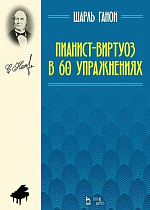
Шарль Луи Ганон (1819-1900) — французский музыкант, композитор и музыкальный педагог.
В данном издании представлены упражнения, которые требуются для достижения беглости, независимости, силы и совершенно равномерного развития пальцев, а также гибкости запястьев. Кроме того, эти упражнения рассчитаны на то, чтобы левая рука достигла такой же беглости, как и правая. Предназначено для всех, кто учится играть на фортепиано.
Charles-Louis Hanon (1819–1900) was a French musician, composer and piano pedagogue. This book contains exercises meant to train the pianist in speed, independency and strength of all of the fingers and flexibility in the wrists. They also meant to develop the speed of left hand to the level of right hand.
The textbook is intended for all who learn the piano.
В данном издании представлены упражнения, которые требуются для достижения беглости, независимости, силы и совершенно равномерного развития пальцев, а также гибкости запястьев. Кроме того, эти упражнения рассчитаны на то, чтобы левая рука достигла такой же беглости, как и правая. Предназначено для всех, кто учится играть на фортепиано.
Charles-Louis Hanon (1819–1900) was a French musician, composer and piano pedagogue. This book contains exercises meant to train the pianist in speed, independency and strength of all of the fingers and flexibility in the wrists. They also meant to develop the speed of left hand to the level of right hand.
The textbook is intended for all who learn the piano.
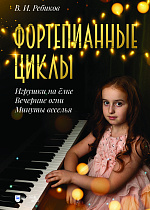
Владимир Иванович Ребиков (1866–1920) — русский композитор, пианист, писатель; новатор, во многом опередивший своих современников; автор десяти опер, двух балетов, множества инструментальных пьес и романсов.
Эстетические принципы Ребикова созвучны идеям импрессионизма и символизма, а его художественный интерес связан с исследованием взаимовлияния музыки, слова и живописи. Он создавал свои произведения под влиянием живописи Арнольда Бёклина, а на стихи Валерия Брюсова написал несколько циклов романсов.
«Игрушки на елке», «Вечерние огни» и «Минуты веселья» — фортепианные сюиты, состоящие из пьес лирического плана: изящных, образных и технически несложных.
Предназначено для учащихся музыкальных школ, студентов средних и высших учебных заведений, а также для любителей фортепианной музыки.
Wladimir Ivanovich Rebikow (1866–1920) is a Russian composer, pianist, writer; an innovator who was in many ways ahead of his contemporaries; author of ten operas, two ballets, plenty of instrumental pieces and romances.
Rebikow’s aesthetic views were much alike the ideas of impressionism and symbolism, and as an artist he was into the study of a mutual influence of music, words and painting. He created his works under the influence of the Arnold Böcklin art, and composed several cycles of romances to lyrics by Valery Bryusov.
“The Christmas Toys”, “Evening Lights” and “Moments of Joy” are piano suites consisting of lyric pieces that are graceful, imaginative and easy.
It is intended for pupils of music schools, students of music colleges and higher schools, as well as for piano music lovers.
Эстетические принципы Ребикова созвучны идеям импрессионизма и символизма, а его художественный интерес связан с исследованием взаимовлияния музыки, слова и живописи. Он создавал свои произведения под влиянием живописи Арнольда Бёклина, а на стихи Валерия Брюсова написал несколько циклов романсов.
«Игрушки на елке», «Вечерние огни» и «Минуты веселья» — фортепианные сюиты, состоящие из пьес лирического плана: изящных, образных и технически несложных.
Предназначено для учащихся музыкальных школ, студентов средних и высших учебных заведений, а также для любителей фортепианной музыки.
Wladimir Ivanovich Rebikow (1866–1920) is a Russian composer, pianist, writer; an innovator who was in many ways ahead of his contemporaries; author of ten operas, two ballets, plenty of instrumental pieces and romances.
Rebikow’s aesthetic views were much alike the ideas of impressionism and symbolism, and as an artist he was into the study of a mutual influence of music, words and painting. He created his works under the influence of the Arnold Böcklin art, and composed several cycles of romances to lyrics by Valery Bryusov.
“The Christmas Toys”, “Evening Lights” and “Moments of Joy” are piano suites consisting of lyric pieces that are graceful, imaginative and easy.
It is intended for pupils of music schools, students of music colleges and higher schools, as well as for piano music lovers.
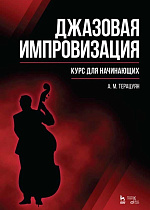
Джазовая импровизация — это музыкальный язык, посредством которого исполнитель способен общаться и выражать свои мысли непосредственно в момент исполнения музыки. Универсальность данного учебного пособия состоит в том, что оно ориентировано на все инструменты, включая вокал. Эта работа проверена временем и имеет прекрасные практические результаты. В данной работе все составные части джазовой импровизации: ритм, гармония, форма, мелодия — рассматриваются отдельно, а затем вплетаются в единый процесс, который в итоге становится механизмом джазового импровизатора. Во всех случаях применения такой методики результат превосходит всякие ожидания. В данном пособии в большей степени рассматривается не то, что исполнять, а как исполнять.
Книга рассчитана для учащихся музыкальных колледжей, вузов, и всех тех, кто хочет научиться импровизировать.
Jazz improvisation is a musical language, by means of which a musician is able to communicate and express his musical thoughts at the moment of performing. The versatility of this tutorial is that it is intended for all instruments, including vocals. This work is based on experience and can provide excellent practical results. In this book all the components of jazz improvisation, i.e. rhythm, harmony, form, melody – are being considered separately, and then are merged in a whole, which eventually becomes a technique of a jazz improviser. In all cases of using such a technique the result exceeds all expectations. This manual draws attention mainly to the problem how to play, and not what to play.
The textbook is intended for students of musical colleges and high schools and for all who want to learn improvising.
Книга рассчитана для учащихся музыкальных колледжей, вузов, и всех тех, кто хочет научиться импровизировать.
Jazz improvisation is a musical language, by means of which a musician is able to communicate and express his musical thoughts at the moment of performing. The versatility of this tutorial is that it is intended for all instruments, including vocals. This work is based on experience and can provide excellent practical results. In this book all the components of jazz improvisation, i.e. rhythm, harmony, form, melody – are being considered separately, and then are merged in a whole, which eventually becomes a technique of a jazz improviser. In all cases of using such a technique the result exceeds all expectations. This manual draws attention mainly to the problem how to play, and not what to play.
The textbook is intended for students of musical colleges and high schools and for all who want to learn improvising.
Закрыть
Сообщить о поступлении
Укажите ваш e-mail, и мы пришлем уведомление, как только книга
станет доступна для покупки.